Casino games have long captured the imagination and attention of millions worldwide. Whether in the shimmering halls of Las Vegas or on a smartphone app, the allure of roulette wheels, card tables, and slot machines is undeniable. But beyond the flashing lights and the promise of fortune, casino games wield a powerful influence over the human mind. Understanding the psychological effects of these games is crucial—not only for players seeking to enjoy themselves responsibly but also for families, policymakers, and mental health professionals. This article delves deep into the fascinating ways casino games shape emotions, behaviors, and decision-making, backed by science and real-world examples.
The Science Behind Casino Game Design and Human Psychology
Casino games are not just games of chance; they are carefully engineered experiences designed to captivate and retain players. Psychologists and game designers have long studied what keeps people engaged, and casinos have mastered the art of leveraging these findings.
One of the most powerful psychological effects at play is the concept of variable rewards. Unlike predictable rewards, variable rewards—where wins come at irregular and unpredictable intervals—trigger the brain’s dopamine system more intensely. Dopamine, often called the “feel-good” neurotransmitter, is linked with pleasure and motivation. Studies have shown that the unpredictable nature of wins in slot machines causes dopamine surges similar to those seen in drug addiction.
.png)
Another factor is the illusion of control. Many casino games, especially those involving skill elements like blackjack or poker, give players the sense that their choices significantly affect outcomes. While skill can play a role, especially in games like poker, chance overwhelmingly dominates most casino games. The mere perception of control, however, can lead players to overestimate their ability to win, encouraging prolonged play.
Additionally, casinos use environmental psychology to enhance the experience. Bright lights, celebratory sounds, and the absence of clocks or windows create a timeless, immersive environment that encourages players to lose track of time and continue playing.
Emotional Highs and Lows: The Rollercoaster of Winning and Losing
The emotional journey of a casino player is marked by intense peaks and valleys. Winning—even a small amount—produces excitement and euphoria. These emotional highs can be so powerful that they reinforce the desire to keep playing, even when the odds are stacked against the player.
Conversely, losing can trigger frustration, disappointment, and even shame. However, the phenomenon known as “loss chasing” often takes hold. Players may continue to gamble in an attempt to recoup their losses, sometimes leading to a destructive cycle. According to a 2022 study published in the Journal of Gambling Studies, approximately 23% of regular casino players reported engaging in loss chasing behavior at least once in the past year.
Interestingly, the psychological impact of near-misses—such as almost hitting a jackpot—can be just as profound as actual wins. Research from the University of Cambridge found that near-misses activate brain regions associated with reward, further motivating continued play. In other words, “almost winning” can be as compelling as winning itself, keeping players glued to the game.
Social Interaction and Group Dynamics in Casino Settings
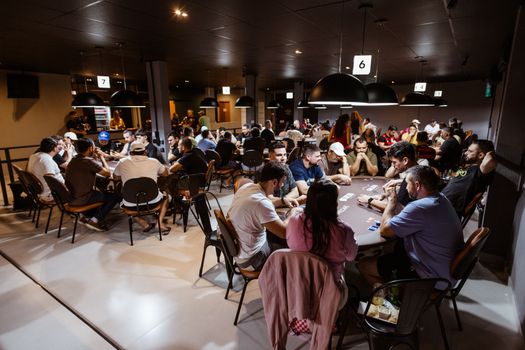
Casinos are social environments, and the presence of other players can have a significant impact on individual behavior. Group dynamics often lead to increased risk-taking, as players seek approval or recognition from their peers. For example, the “house party effect” describes how people tend to make bolder bets in the presence of others, especially when they receive encouragement or witness others’ successes.
Moreover, social casino games—both in physical venues and online platforms—tap into the human need for connection. Multiplayer games such as poker, craps, or even group slot tournaments foster camaraderie, competition, and a sense of belonging. According to a 2021 survey by the American Gaming Association, 54% of casino visitors cited social interaction as a key reason for their attendance.
On the flip side, social pressure can also contribute to negative outcomes. Some players may feel compelled to keep gambling to avoid embarrassment, or to maintain a winning streak in front of friends. The communal atmosphere can thus amplify both positive and negative psychological effects.
Decision Fatigue, Cognitive Biases, and Gambling Behavior
Casino environments are designed to elicit rapid, repeated decision-making. Over time, this can lead to decision fatigue—a state in which the quality of choices deteriorates as a result of prolonged mental effort. Decision fatigue can make players more susceptible to impulsive bets, riskier choices, and poor judgment.
Cognitive biases also play a critical role in shaping gambling behavior. Some of the most common biases observed in casino settings include:
- The Gambler’s Fallacy: The belief that past outcomes influence future results, such as thinking a roulette wheel is “due” for red after several blacks in a row. - Confirmation Bias: Seeking information that supports one’s beliefs, like remembering wins more vividly than losses. - Availability Heuristic: Overestimating the likelihood of rare but memorable events, such as winning a jackpot after witnessing someone else’s big win.These biases can distort perception and decision-making, leading players to overestimate their chances and continue gambling despite mounting losses.
Below is a comparison of common cognitive biases and their effects on casino play:
| Cognitive Bias | Description | Effect on Casino Play |
|---|---|---|
| Gambler’s Fallacy | Belief that past random events affect future outcomes | Leads to riskier bets after a losing streak |
| Confirmation Bias | Focusing on information that confirms existing beliefs | Remembering wins, ignoring losses; overestimating skill |
| Availability Heuristic | Overestimating the probability of memorable events | Belief in frequent jackpots after witnessing one |
| Illusion of Control | Overestimating ability to influence outcomes | Leads to excessive play in skill-based games |
The Long-Term Psychological Impact: Beyond the Casino Floor
While many people enjoy casino games recreationally, the long-term psychological effects can be profound for a minority of players. Problem gambling, or gambling disorder, is recognized by the World Health Organization as a behavioral addiction. According to the National Council on Problem Gambling, about 2% of U.S. adults (roughly 6.6 million people) meet the criteria for gambling disorder.
Chronic exposure to high-stimulation environments and repeated cycles of win-loss can lead to changes in brain chemistry over time, reinforcing compulsive behavior. This can also contribute to anxiety, depression, and relationship difficulties. Financial stress resulting from gambling losses often exacerbates these issues, creating a vicious cycle that can be challenging to break.
It’s important to note, however, that not all players experience negative outcomes. Many individuals gamble for entertainment without adverse effects. Factors such as personality, genetics, mental health, and social support play significant roles in determining vulnerability to problematic gambling behaviors.
Strategies for Mitigating Negative Psychological Effects
Given the powerful psychological impact of casino games, various strategies have been developed to promote responsible gambling and reduce harm. Casinos and online platforms are increasingly implementing tools such as:
- Self-exclusion programs: Allowing players to voluntarily ban themselves from gambling venues. - Reality checks: Reminders about time spent or money wagered, helping players stay aware of their activity. - Deposit and loss limits: Enabling players to set boundaries on how much they can spend.Public awareness campaigns, such as the UK’s “When the Fun Stops, Stop” initiative, aim to educate players about the risks associated with gambling and encourage help-seeking behavior. Mental health professionals often recommend cognitive-behavioral therapy (CBT) for individuals struggling with gambling-related issues, a treatment approach shown to be effective in numerous clinical studies.
Families and friends also play a crucial role in supporting loved ones who may be at risk. Open communication, encouragement to seek help, and understanding the signs of problematic gambling can make a significant difference.
Understanding the Psychological Effects of Casino Games: Key Takeaways
Casino games are more than just a source of entertainment—they’re a complex interplay of psychology, design, and human behavior. From the thrill of a win to the sting of a loss, these games tap into deep-seated emotional and cognitive processes. While most players can enjoy the experience responsibly, understanding the psychological mechanisms at work can help individuals make informed choices and recognize when gambling may be becoming a problem.
Whether you’re a casual player, a concerned family member, or simply curious about the science of gambling, staying informed is the first step toward ensuring that the excitement of casino games remains a positive experience.