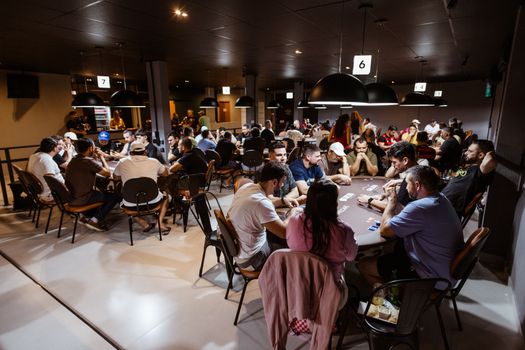
The Impact of Casino Games on Tourism: Economic Growth, Destinations, and Global Trends
The world of casino gaming extends far beyond the glitz and glamour of roulette wheels and slot machines. For many cities and countries, casino games are a powerful magnet attracting millions of tourists each year. The relationship between casino games and tourism is multifaceted, shaping local economies, redefining destinations, and sparking global trends. In 2019 alone, the global casino market was valued at over $130 billion, with tourism accounting for a significant portion of this revenue. From Las Vegas to Macau, and from Monaco to Singapore, the lure of casino games has transformed sleepy towns into bustling tourist hotspots. This article explores how casino games impact tourism, looking at economic benefits, destination branding, international trends, and the delicate balance of social consequences.
Economic Benefits: Casinos as Engines of Tourism Revenue
Casinos have proven to be dynamic drivers of tourism revenue. In destinations like Las Vegas and Macau, casino tourism is the lifeblood of the local economy. According to the Las Vegas Convention and Visitors Authority, over 38.8 million tourists visited Las Vegas in 2022, with more than 60% citing casino gaming as a primary reason for their visit. These visitors contribute not only to gaming revenues but also to the broader hospitality sector—hotels, restaurants, entertainment venues, and retail outlets.
Casino-driven tourism generates significant employment. In Macau, known as the "Gambling capital of the world," the gaming industry accounts for over 70% of government revenue and employs more than 76,000 people, roughly 19% of the city’s workforce. Similarly, in Singapore, the Marina Bay Sands and Resorts World Sentosa casinos helped boost international arrivals by 20% in the years following their opening in 2010, contributing an estimated $2.7 billion to Singapore's GDP annually.
.png)
The tax revenue generated by casinos often funds public services, infrastructure, and community projects. For example, in Nevada, a portion of gaming tax revenue supports education and social programs, illustrating how the impact of casino tourism can extend well beyond the casino floor.
Transforming Destinations: From Quiet Towns to Global Hotspots
The presence of casinos can radically alter the identity and appeal of a destination. Las Vegas, once a small railroad town, reinvented itself as the "Entertainment Capital of the World," largely due to legalized gambling. The city saw its population surge from just over 8,000 in 1940 to nearly 650,000 by 2023, driven in part by the growth of the tourism and gaming industries.
Macau is another striking example. Previously known for its colonial heritage, it is now synonymous with high-stakes gaming, attracting over 27 million visitors in 2019—more than 40 times its population. Integrated resorts in Macau combine casinos with luxury hotels, Michelin-starred restaurants, and world-class entertainment, catering to a diverse international clientele.
Smaller destinations have also leveraged casino gaming to boost tourism. In the United States, cities such as Atlantic City, New Jersey, and Biloxi, Mississippi, have revitalized their economies by developing casino resorts that draw regional visitors. In Europe, the Monte Carlo Casino has made Monaco a playground for the rich and famous, hosting events such as the Formula 1 Grand Prix that further enhance its allure.
Comparing Casino Tourism Hotspots: A Global Perspective
To appreciate the global impact of casino games on tourism, it's useful to compare some of the world's leading casino destinations. The table below highlights key data points for Las Vegas, Macau, and Singapore, showing how each city leverages casino gaming to attract visitors and drive economic growth.
| Destination | Annual Visitors (2022/2019) | Gaming Revenue (USD) | % of Local GDP | Key Casino Resorts |
|---|---|---|---|---|
| Las Vegas | 38.8 million (2022) | $8.29 billion (2022) | ~25% | The Venetian, Bellagio, MGM Grand |
| Macau | 27.9 million (2019) | $36.5 billion (2019) | ~55% | Venetian Macao, Wynn Macau, City of Dreams |
| Singapore | 19.1 million (2019) | $4.5 billion (2019) | ~2% | Marina Bay Sands, Resorts World Sentosa |
As the table demonstrates, while Singapore’s casino gaming revenue is lower than that of Las Vegas or Macau, its integrated resorts have significantly boosted the city-state’s profile as a major tourism destination in Asia. Macau remains the world’s largest gaming hub by revenue, surpassing even Las Vegas, while Las Vegas continues to dominate in terms of visitor numbers and diversified entertainment offerings.
Integrated Resorts: Beyond the Casino Floor
Modern casino tourism is no longer just about gambling. Today’s leading casino resorts are integrated complexes that blend gaming with luxury accommodations, world-class entertainment, fine dining, and family-friendly attractions. This diversification has expanded the appeal of casino destinations, attracting tourists who may not be avid gamblers.
For example, the Marina Bay Sands in Singapore features a rooftop infinity pool, a massive shopping mall, and an art and science museum. The Venetian in Macau offers gondola rides and European-themed architecture, while Las Vegas is renowned for its spectacular shows, celebrity chef restaurants, and nightlife.
Integrated resorts generate "spillover" tourism benefits by encouraging longer stays and higher visitor spending. According to the American Gaming Association, for every dollar spent on casino gaming in Las Vegas, an additional $2 is spent on non-gaming activities, underscoring the broader economic impact of casino tourism.
Socio-Cultural Considerations: Balancing Benefits and Challenges
While casino games can boost tourism and stimulate local economies, they also bring challenges that destinations must manage carefully. Increased tourism can strain infrastructure, drive up the cost of living, and alter the social fabric of local communities. The World Tourism Organization notes that overtourism can lead to environmental degradation and loss of cultural authenticity if not properly managed.
Problem gambling is another concern. Destinations with thriving casino industries often invest in responsible gaming programs to mitigate potential harm. For example, Singapore enforces strict entry levies for local residents and offers counseling services for problem gamblers. In Las Vegas, casinos partner with non-profits to promote responsible gambling and support affected individuals.
Social attitudes toward casino tourism vary widely. While some communities embrace casinos as engines of growth, others resist them due to concerns about crime, addiction, or changes to their traditional way of life. Successful casino tourism destinations typically strike a balance—maximizing economic benefits while implementing safeguards to minimize negative impacts.
Emerging Trends: Online Casinos and the Future of Tourism
The rise of online casino gaming has added a new dimension to the relationship between casino games and tourism. While physical casinos remain vital tourism anchors, online platforms have made gaming accessible to a global audience. In 2023, the global online gambling market was estimated at $95 billion, with a projected annual growth rate of 9% through 2027.
Some destinations have adapted by integrating virtual experiences into their tourism offerings. For instance, augmented reality casino tours, live-streamed dealer games, and online tournaments are now marketed alongside traditional travel packages. These innovations allow destinations to reach new demographics and promote themselves as tech-savvy, modern tourism hubs.
However, the growth of online casinos also presents competition for brick-and-mortar establishments. Some analysts predict that successful casino tourism in the future will depend on creating unique, immersive experiences that cannot be replicated online—such as exclusive shows, culinary events, and hands-on entertainment.
Final Thoughts: The Lasting Influence of Casino Games on Tourism
Casino games have reshaped the tourism landscape, transforming cities and countries into must-visit destinations, generating jobs, and fueling economic growth. Whether through iconic resorts in Las Vegas, the high-rolling tables of Macau, or the innovative integrated complexes in Singapore, casino tourism remains a powerful force in the global travel industry.
At the same time, the sector faces challenges—from managing social impacts to adapting to the digital age. Destinations that invest in sustainable tourism practices, responsible gaming measures, and diversified entertainment will be best positioned to thrive. As travel trends evolve, the impact of casino games on tourism will continue to be felt in economies, cultures, and communities around the world.