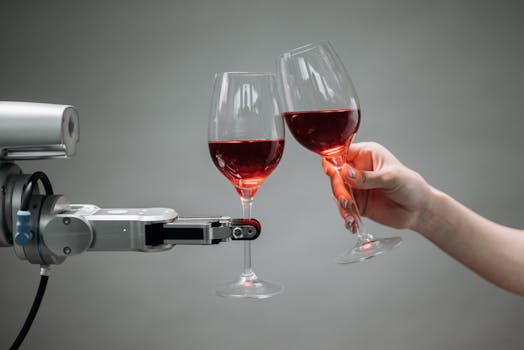
The evolution of slot machines, fueled by technological advancements, illustrates how digital innovation can radically alter an industry. Beginning as simple mechanical devices, slot machines have transformed into intricate systems that offer dynamic gaming experiences, fostering both increased engagement and regulatory challenges.
From Mechanical to Electromechanical Innovations
The journey of slot machines began in the late 19th century with the mechanical "one-armed bandits," which were straightforward in operation, featuring spinning reels activated by a lever. The 1960s introduced electromechanical slot machines, integrating electric motors and solenoids to enhance game mechanics and payouts. This period marked the beginning of more complex game designs, propelling the popularity of slot machines.
.png)
The Digital Revolution
The advent of the digital era in the 1980s revolutionized slot machines with the introduction of video slots. Unlike their mechanical predecessors, video slot machines used computer algorithms to determine spin outcomes, enabling a plethora of new features like multiple reels, varied symbols, and numerous paylines. This era also saw the introduction of thematic content, bonus rounds, and progressive jackpots, which significantly diversified the gaming experience.
The Internet and Online Slots
With the internet boom of the 1990s, online slots emerged, allowing players to enjoy casino games without visiting physical locations. These virtual slots expanded the possibilities for game themes, formats, and innovations in betting options, democratizing access and participation globally. The convenience and accessibility of online slots have led to their immense popularity, making them a central offering in the portfolio of online casinos.
Modern Technological Enhancements
Today's slot machines are characterized by even more sophisticated technologies, including touchscreen capabilities, advanced 3D graphics, and explorations into virtual reality (VR), which aim to produce deeply immersive environments. These innovations not only enhance the visual appeal and interactivity of the games but also promise future transformations in how players engage with slot machines.
Artificial Intelligence and Personalization
The integration of AI and machine learning represents a significant trend in slot machine technology. By analyzing player data, these technologies can personalize gaming experiences, tailoring recommendations and promotions to individual preferences. This personalization enhances player satisfaction and loyalty, although it also raises questions about privacy and ethical data use.
Ethical and Regulatory Considerations
As slot machines become more engaging and retain players for longer, there are growing concerns regarding problem gambling. The potential for machines to encourage excessive gambling behaviors has prompted both industry stakeholders and regulators to develop more robust responsible gaming practices and technologies that can identify and mitigate harmful behaviors.
Conclusion
The evolution of slot machines showcases the transformative power of technology in reshaping industries and consumer experiences. As we look to the future, the slot machine industry continues to balance innovation with responsibility, ensuring that advancements in gaming technologies bring enjoyment without adverse effects. This ongoing evolution will likely continue to attract attention from technology developers, casino operators, and regulators alike, each of whom plays a crucial role in shaping the trajectory of this vibrant industry.