The Cultural Impact of Casino Games Around the World: Traditions, Transformations, and Global Connections
Casino games are more than just a pastime or a way to win money—they are living expressions of culture, history, and social values. From the vibrant baccarat tables in Macau to the poker rooms of Las Vegas, and the centuries-old lottery traditions in Italy, casino gaming has woven itself deeply into the fabric of societies worldwide. But how have these games shaped, and been shaped by, the cultures around them? In this article, we dive into the rich tapestry of casino games, exploring their cultural impact, their evolution across continents, and the ways they reflect—and influence—our worldviews.
The Global Spread of Casino Games: A Brief Historical Perspective
Casino games have roots stretching back thousands of years, with evidence of gambling activities found in ancient China, Rome, and Egypt. Dice dating to 3000 BCE have been discovered in Mesopotamia, while betting games were popular among Roman soldiers and Chinese nobility alike. However, the modern concept of the casino originated in 17th-century Italy, where the word “casino” simply meant a small social club.
.png)
As European explorers traveled and colonized distant lands, they brought their gaming traditions with them. Games evolved and adapted to local tastes, blending with indigenous customs and beliefs. For example, French immigrants introduced roulette to the United States in the 19th century, where it adapted to American preferences and casino regulations, eventually giving rise to the distinctive American roulette wheel with its double zero.
In the 21st century, the rise of online casinos has further globalized these games, allowing traditions to cross borders digitally and influencing gaming cultures worldwide. Today, the casino industry is a multi-billion-dollar global enterprise, with the Asia-Pacific region accounting for over 32% of global casino revenues as of 2022.
Casino Games as Cultural Symbols: Identity, Ritual, and Celebration
Casino games are not merely games of chance; they often carry deep symbolic meanings in different societies. In China, for example, baccarat and sic bo are associated with luck and prosperity, reflecting the cultural importance of fortune in Chinese society. During the Lunar New Year, families frequently gather to play mahjong and card games, believing that winning will bring good luck for the year ahead.
In contrast, in Western cultures, the image of the casino is often tied to glamour, risk-taking, and the pursuit of the “big win.” The Las Vegas strip has become an iconic representation of entertainment and excess, immortalized in countless movies, songs, and novels. Casino games here are not just played—they are performed, with elaborate rituals such as the tossing of dice or the dramatic reveal in poker tournaments.
In many Indigenous cultures, gambling games have longstanding ceremonial significance. For instance, stick games played by Native American tribes are integral to social gatherings and spiritual events, often accompanied by music, dance, and storytelling. These games serve as a means of passing down traditions and fostering community bonds.
Societal Views and Regulations: A Comparative Overview
How societies view and regulate casino games varies dramatically across the globe. Some countries embrace gambling as a legitimate form of entertainment and a source of economic growth, while others restrict or ban it due to religious or moral concerns. This diversity reflects deeper cultural attitudes towards risk, luck, and social responsibility.
Below is a comparative table highlighting casino gaming regulations and societal views in several key regions:
| Region/Country | Legal Status | Popular Casino Games | Cultural Attitude |
|---|---|---|---|
| United States | Legal in some states (e.g., Nevada, New Jersey); heavily regulated | Poker, Slots, Blackjack | Seen as entertainment, with emphasis on regulation and responsible gambling |
| Macau (China) | Fully legal; world’s largest casino market | Baccarat, Sic Bo | Associated with luck, social status, and prosperity |
| United Kingdom | Legal and well-regulated | Roulette, Slots, Poker | Part of social life; strong focus on responsible gaming |
| Singapore | Legal with strict regulations | Baccarat, Roulette, Slots | Seen as both entertainment and a potential social issue |
| Middle East (e.g., Saudi Arabia) | Illegal due to religious reasons | N/A | Gambling viewed as immoral and forbidden |
| Monaco | Legal; casinos mainly for tourists | Roulette, Baccarat | Symbol of luxury and exclusivity |
This table illustrates how the same games can take on very different meanings depending on where—and how—they are played.
Casino Games and Social Interaction: Community, Competition, and Connection
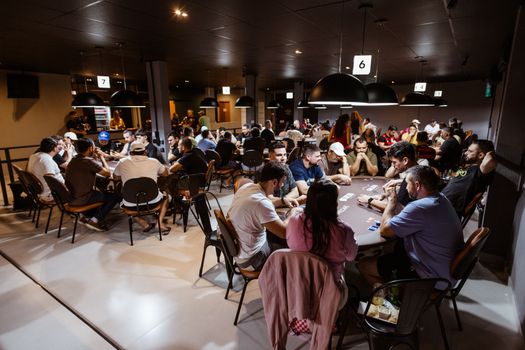
Casino games have always been more than individual pursuits; they are fundamentally social activities. The casino floor is a microcosm of society, where people from different backgrounds come together, united by the thrill of the game. In many cultures, casino games serve as important venues for socializing, networking, and even building business relationships.
For example, in Japan, the traditional game of pachinko is played in bustling parlors where players chat, share strategies, and form communities. In the United States, poker tournaments have fostered subcultures of their own, with televised events like the World Series of Poker drawing millions of viewers—and participants—from around the world.
Casino games can also bridge generations. In Italy, family card games such as Scopone are passed down as cherished traditions, played during holidays and celebrations. In the Philippines, the game Pusoy is a staple at family gatherings, reinforcing cultural values of camaraderie and fair play.
However, the social dynamics of casino gaming are not always positive. Problem gambling and addiction can strain families and communities, highlighting the need for culturally sensitive education and prevention efforts.
Casino Games in Popular Culture: Media, Movies, and Music
Casino games have had a profound influence on popular culture, shaping the way we think about luck, fate, and ambition. Classic films like “Casino Royale,” “Rain Man,” and “Ocean’s Eleven” have cemented the image of the casino as a place of glamour, intrigue, and high stakes. The casino motif frequently appears in music, from Elvis Presley’s “Viva Las Vegas” to Lady Gaga’s “Poker Face,” reflecting society’s fascination with risk and reward.
In literature, casino games often serve as metaphors for life’s uncertainties. Fyodor Dostoevsky’s novel “The Gambler” explores the psychological toll of addiction, while Ian Fleming’s James Bond novels use casino settings to highlight the interplay of skill, chance, and strategy.
The visual aesthetics of casinos—flashing lights, spinning wheels, stacks of chips—have influenced everything from fashion to advertising. Even outside of traditional gaming, casino-inspired motifs appear in video games, digital art, and social media, underscoring their enduring cultural appeal.
The Digital Age: How Online Casino Games Are Redefining Global Culture
The last two decades have witnessed a digital revolution in casino gaming. The rise of online casinos and mobile gaming apps has made traditional games accessible to billions, transcending geographic and cultural barriers. In 2023, the global online gambling market was valued at over $92 billion, with Europe and Asia leading in participation rates.
Online casino platforms have introduced new forms of social interaction, such as live dealer games and multiplayer tournaments, allowing players to connect and compete across continents. Virtual reality casinos and blockchain-based games are pushing the boundaries of what casino gaming can be, merging technology with tradition in unprecedented ways.
Digital casino games have also sparked new cultural conversations, from debates about regulation and ethics to discussions about the role of luck and skill in a technology-driven world. As virtual and augmented reality technologies evolve, the cultural impact of casino games is likely to deepen, influencing everything from entertainment to education and beyond.
Final Reflections: The Enduring Cultural Influence of Casino Games
Casino games are far more than fleeting amusements; they are powerful cultural artifacts that reflect our values, beliefs, and aspirations. Whether played in grand casinos, family living rooms, or virtual worlds, these games continue to shape—and be shaped by—the societies that embrace them. As globalization and technology accelerate, the cultural impact of casino games is sure to grow, offering new opportunities for connection, creativity, and understanding across borders.