Slot machines have captivated players for well over a century, blending chance, spectacle, and innovation into one of the world’s most popular forms of entertainment. Yet, behind the familiar spinning reels lies a fascinating story of technological evolution—a journey from simple levers and gears to the dazzling digital worlds found in today’s casinos and online platforms. Understanding the evolution of slot machines is not just a study of gambling history, but also a testament to the relentless pace of innovation in entertainment technology. From the iconic Liberty Bell to AI-driven video slots, let’s explore how slot machines have transformed across generations.
The Birth of Mechanical Slot Machines
The story of slot machines begins in the late 19th century, a period defined by mechanical ingenuity and the emergence of mass-market amusements. The first true slot machine, the Liberty Bell, was invented by Charles Fey in San Francisco in 1895. This device featured three spinning reels and five symbols: horseshoes, diamonds, spades, hearts, and, of course, the Liberty Bell. Players would insert a nickel, pull a lever, and wait for the reels to align. Hitting three Liberty Bells in a row paid out the top prize of 50 cents.
Mechanical slot machines like the Liberty Bell were marvels of gears, springs, and levers. Their simplicity belied their immense popularity; by 1908, Fey’s invention had inspired countless imitators and upgrades. Mills Novelty Company introduced the Operator Bell in 1907, adding fruit symbols that remain a staple in slot machines even today. By the 1920s, slots were found in bars, cigar shops, and saloons across America.
.png)
Despite their popularity, early slot machines were not without controversy. Many states banned gambling devices in the early 20th century, leading to creative workarounds—such as dispensing gum or mints instead of cash prizes. Nonetheless, mechanical slots laid the foundation for the gaming revolution that would follow.
Electromechanical Innovations: The 1960s and Beyond
While the mechanics of slot machines changed little in the first half of the 20th century, the 1960s marked a turning point with the introduction of electromechanical slots. In 1963, Bally developed the first fully electromechanical machine, Money Honey. This breakthrough allowed for larger payouts, automatic coin handling, and more complex game features.
The electromechanical era brought significant improvements: - Electrically powered reels replaced purely mechanical systems, increasing reliability and speed. - Hopper mechanisms enabled automatic payouts of up to 500 coins. - New features like flashing lights, sound effects, and bonus rounds began to appear.By the late 1970s, nearly every slot machine in Las Vegas and Atlantic City was electromechanical. These machines offered more excitement and variety for players, setting the stage for the next leap: the digital age.
The Digital Revolution: Video Slots Take Center Stage
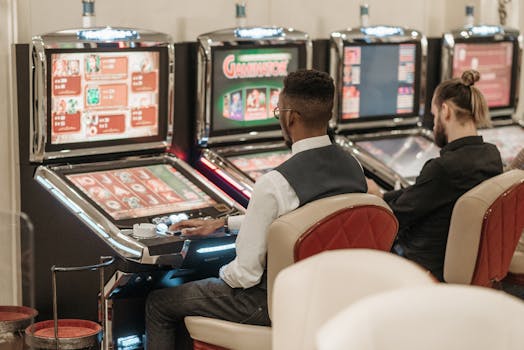
The 1980s ushered in a new era with the advent of video slot machines, which replaced physical reels with computer-generated graphics. The first true video slot, developed by Fortune Coin Co. in 1976, used a modified 19-inch Sony TV for its display. Despite initial skepticism, video slots quickly gained popularity due to their flexibility and entertainment value.
By 1996, when WMS Industries introduced Reel ‘Em In—the first slot with a secondary bonus screen—the industry had fully embraced digital technology. Video slots allowed for: - Multiple paylines (from 5 to over 100) - Themed games with licensed music, movie tie-ins, and engaging storylines - Advanced features like free spins, wild symbols, and interactive bonus roundsThe switch to digital also boosted the industry’s growth. By 2003, slot machines accounted for 70% of casino floor space in Nevada and generated more than $7 billion in annual revenue for the state’s casinos. The rise of video slots also facilitated rigorous randomness testing via Random Number Generators (RNGs), ensuring fair play.
The Internet Age: Online and Mobile Slot Machines
The late 1990s and early 2000s brought another seismic shift: the migration of slot machines onto the internet. The first online casinos went live in 1996, and slots quickly became the most popular digital casino game. This trend only accelerated with the explosion of smartphones in the 2010s.
Modern online slots offer a gaming experience that’s just as rich—and sometimes richer—than their land-based counterparts. Key features include: - Immersive 3D graphics and animations - Progressive jackpots that can reach into the tens of millions (e.g., Mega Moolah’s record €18.9 million payout in 2018) - Advanced customization, allowing players to select volatility, bet size, and even game themes - Compatibility across devices, from desktop computers to mobile phones and tabletsThe digital transformation also democratized access to slots. Players from around the globe could now spin the reels anytime, anywhere, fueling exponential growth. Statista reported that in 2023, the global online gambling market was valued at over $95 billion, with slots accounting for a substantial share.
Comparing Mechanical, Electromechanical, and Digital Slot Machines
To better understand the evolution of slot machines, let’s look at their key differences in a side-by-side comparison:
| Feature | Mechanical (1890s-1960s) | Electromechanical (1960s-1980s) | Digital/Video (1980s-present) |
|---|---|---|---|
| Reel Type | Physical reels | Physical reels, powered by electricity | Virtual reels (computer graphics) |
| Operation | Manual lever | Button or lever, electric circuits | Button, touchscreen, mouse/tap |
| Payout System | Manual coin payout | Automatic hopper payout | Digital credit or online payout |
| Number of Paylines | 1 | Up to 5 | 5 to 100+ |
| Bonus Features | None | Basic (lights, some sound) | Multiple (free spins, multipliers, bonus games) |
| Security | Mechanical locks | Mechanical + basic electronic security | Digital encryption, RNG certification |
| Accessibility | Physical location only | Physical location only | Anywhere with internet access |
The Future: AI, VR, and Blockchain in Slot Machines
The innovation in slot machine technology shows no sign of slowing down. As we move deeper into the 21st century, several advanced technologies are shaping the future of slot gaming:
- Artificial Intelligence (AI) is being used to personalize gaming experiences, recommend games based on a player’s history, and enhance responsible gambling tools. - Virtual Reality (VR) and Augmented Reality (AR) are introducing fully immersive slot environments, allowing players to walk around digital casinos and interact with games in new ways. - Blockchain technology is powering provably fair slots and enabling secure, transparent payouts using cryptocurrencies.According to a 2022 report by Grand View Research, the global VR gambling market is expected to grow at a compound annual growth rate (CAGR) of 21.5% from 2023 to 2030. Meanwhile, blockchain-based casinos are gaining traction, promising greater fairness and lower transaction costs.
Why the Evolution of Slot Machines Matters
The journey of slot machines from mechanical marvels to digital entertainment hubs is more than just a tale of changing technology. It reflects broader trends in society: the pursuit of convenience, the desire for richer entertainment, and the ongoing balance between regulation and innovation.
Slot machines have become a cultural icon, referenced in movies, music, and everyday language. Their evolution mirrors the broader digital transformation of leisure and entertainment. Today’s players demand more than a simple spin; they want stories, interactivity, and the possibility of life-changing wins.
Casinos, both land-based and online, have responded by investing heavily in research and development. In 2021 alone, the largest gaming companies spent over $3 billion collectively on technology upgrades and new game development. This commitment ensures that slot machines will continue to evolve, delighting new generations of players for years to come.