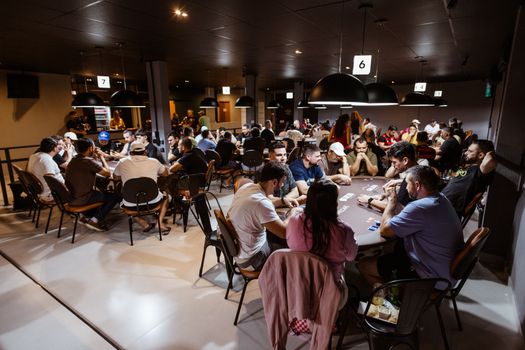
Casino games have long been a source of fascination and debate. While their glittering lights and promises of fortune draw millions of visitors every year, the true impact of casinos reaches far beyond the gaming tables. Communities that host casino games—whether in sprawling resorts or smaller local venues—experience a range of socioeconomic effects, both positive and negative. Understanding these impacts is crucial for policymakers, residents, and anyone interested in the broader consequences of legalized gambling.
In this article, we’ll examine the multifaceted socioeconomic effects of casino games on communities. We’ll explore job creation, local economies, public health, inequality, and compare communities with and without casinos. By the end, you’ll have a nuanced perspective on how casino gaming shapes the places where it thrives.
The Economic Ripple: Job Creation and Local Revenue
One of the most commonly cited benefits of casino gaming is its ability to generate jobs and stimulate local economies. When a casino opens, it brings a host of employment opportunities—not just for dealers and croupiers, but also for hotel staff, restaurant workers, entertainers, and maintenance teams.
.png)
For instance, the American Gaming Association reported that in 2022, commercial casinos in the United States supported over 700,000 jobs. In Las Vegas alone, the casino industry accounts for nearly 25% of the city’s employment base. Beyond direct employment, casinos also encourage local spending; visitors spend money in nearby shops, restaurants, and attractions.
Casinos can also be a boon for public finances. Through licensing fees, taxes, and revenue sharing agreements, casinos often contribute substantial funds to local and state governments. For example, in 2021, Pennsylvania’s casinos generated $1.11 billion in tax revenue, which helped fund public education and infrastructure projects.
However, these economic benefits are not evenly distributed. Smaller communities may see less dramatic gains, while larger cities might experience more pronounced boosts but also face greater challenges related to congestion and infrastructure demands.
Comparing Casino and Non-Casino Communities
To better understand the impact of casino games, it’s helpful to compare communities that host casinos with those that don’t. The table below provides a snapshot of key socioeconomic indicators in communities with and without significant casino presence.
| Indicator | Casino Communities | Non-Casino Communities |
|---|---|---|
| Average Unemployment Rate (2022) | 5.4% | 6.1% |
| Median Household Income | $62,000 | $58,500 |
| Poverty Rate | 13.2% | 14.5% |
| Local Government Tax Revenue (per capita) | $1,145 | $870 |
| Reported Problem Gambling Rate | 3.5% | 2.1% |
These figures illustrate that casino communities often enjoy slightly lower unemployment and poverty rates, as well as higher incomes and government revenues. However, they also face elevated rates of problem gambling—a crucial trade-off that must be managed carefully.
Public Health and Social Wellbeing: The Double-Edged Sword
While casinos can stimulate economies, they also present social and public health challenges. Problem gambling is a well-documented risk in communities with easy access to casino games. Studies estimate that 1% to 3% of adults in the United States have a serious gambling problem, but this rate can more than double in regions with prominent casinos.
Problem gambling can lead to financial hardship, mental health issues, and family breakdowns. For example, a 2018 study found that problem gamblers are twice as likely to experience depression and five times more likely to contemplate suicide than non-problem gamblers. The social costs extend to increased demand for social services, legal aid, and medical care.
On the other hand, many casinos fund responsible gambling programs and support local charities. Some states require casinos to allocate a percentage of their revenue to addiction support and community organizations. For instance, in Massachusetts, casinos are mandated to contribute to the Public Health Trust Fund, which invests in prevention and treatment programs.
Inequality and Neighborhood Change
Casino games can have complex effects on inequality and neighborhood dynamics. On the one hand, casinos can revitalize struggling areas by attracting investment, tourism, and jobs. Atlantic City, for example, saw a surge in development and property values after casino gambling was legalized in the late 1970s.
Yet, these benefits can be uneven. Some neighborhoods may gentrify rapidly, pushing out lower-income residents as rents and property values rise. Others may experience an influx of gambling-related businesses, such as pawn shops or payday lenders, which can exacerbate financial vulnerability among local populations.
Moreover, research from the University at Buffalo found that people in lower-income brackets are more likely to experience negative consequences from gambling, such as debt and addiction, than their wealthier counterparts. This suggests that while casinos can help lift some people out of poverty, they may also entrench disadvantage for others.
Community Investment and Cultural Impact
Many modern casinos recognize the importance of being good neighbors. They often invest in local infrastructure, sponsor cultural events, and partner with community organizations. For example, in 2023, the Mohegan Sun casino in Connecticut donated over $1 million to local nonprofits and hosted job fairs for regional job seekers.
Casinos also contribute to the cultural landscape by hosting concerts, festivals, and sporting events. These activities can foster a sense of community pride and identity, attracting visitors for reasons beyond gambling.
However, there are concerns that the casino-centric entertainment model can overshadow traditional local culture, making communities more dependent on tourism and hospitality. This economic shift can be risky if casino revenues decline due to changing consumer preferences or increased competition.
Crime, Safety, and Urban Planning
A common fear is that casinos attract crime. Studies on this topic present mixed results. A comprehensive analysis by the National Bureau of Economic Research in 2017 found that, while some types of crime (such as theft and fraud) may increase slightly in casino communities, the overall crime rate does not rise dramatically when proper regulation and law enforcement are in place.
Urban planning plays a significant role in determining a casino’s impact. Well-integrated casinos, with strong community oversight and responsible gaming initiatives, tend to have fewer negative side effects. In contrast, poorly planned developments can strain local services, increase traffic congestion, and create social tensions.
Final Thoughts on the Socioeconomic Effects of Casino Games
The socioeconomic effects of casino games on communities are as varied as the communities themselves. While casinos can bring jobs, revenue, and cultural vibrancy, they also pose significant challenges, particularly in the realms of public health and inequality. The key to maximizing benefits and minimizing harms lies in thoughtful regulation, community engagement, and investment in responsible gaming initiatives.
Communities considering casino development must weigh economic gains against potential social costs. Transparent decision-making, ongoing research, and adaptive policies are essential to ensure that casinos serve as engines of sustainable growth, rather than sources of division or hardship.