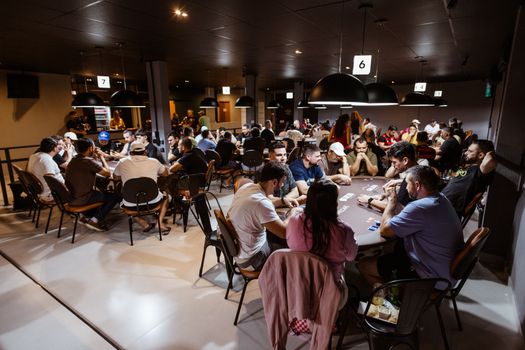
Virtual reality (VR) has long been a buzzword in the worlds of technology, entertainment, and education. But in the last few years, this immersive technology has begun transforming a new frontier: online gambling. As digital casinos seek new ways to engage players and replicate the thrill of brick-and-mortar venues, VR offers a tantalizing leap forward. But what does the fusion of VR and online gambling truly mean for players, the industry, and even regulators?
This article delves deep into the impact of virtual reality on online gambling, covering its evolution, benefits, challenges, and potential future. If you’ve ever wondered how VR is changing the betting landscape—or what it might mean for your next casino night—read on for a comprehensive, data-driven exploration.
The Evolution of Virtual Reality in Online Gambling
Online gambling has always been quick to adopt new technologies, from the first web-based casinos in the mid-1990s to the recent explosion in mobile gaming. Virtual reality represents the latest—and perhaps most significant—leap. VR enables players to step inside a fully interactive casino environment without ever leaving home, using headsets like the Meta Quest 2 or HTC Vive.
.png)
The journey from simple 2D interfaces to immersive 3D worlds didn’t happen overnight. The first VR casino, SlotsMillion, launched in 2015, offering over 40 slot machines in a virtual Vegas-style venue. By 2022, the global VR gambling market was valued at over $1.2 billion, with analysts projecting it could reach $4.5 billion by 2028, according to a report by ResearchAndMarkets.com.
Key milestones include:
- 2015: SlotsMillion launches the first VR casino experience. - 2018: PokerStars VR introduces social poker in virtual reality. - 2021: VR gambling platforms report user engagement times up to 30% higher than traditional online casinos.While still a niche compared to standard online casinos—which attracted over 160 million users globally in 2023—VR gambling is on a rapid upward trajectory, driven by both technological improvements and shifting consumer expectations.
How VR Changes the Online Gambling Experience
Traditional online gambling platforms, while convenient, struggle to replicate the atmosphere and excitement of a real casino. This is where VR shines, bringing several transformative changes to the player experience:
1. Immersive Environments: VR casinos recreate realistic casino floors, complete with slot machines, card tables, and even ambient sounds. Players can walk around, interact with objects, and feel as though they’re truly inside a casino. 2. Social Interaction: One of the biggest appeals of physical casinos is socializing. VR gambling platforms integrate voice chat and avatars, letting players converse, bluff, or celebrate wins with others around the world. PokerStars VR, for example, allows players to read opponents’ body language and gestures—a feature impossible in standard online poker rooms. 3. Enhanced Game Mechanics: VR enables unique features such as hand tracking for dealing cards, physically pulling a slot lever, or customizing the virtual environment. These mechanics increase engagement and make the experience more memorable. 4. Personalization and Customization: Players can often tailor their avatar’s appearance, choose their virtual seat, or decorate their gaming space, adding a personal touch that goes far beyond 2D interfaces.In a 2022 survey conducted by Statista, 68% of VR casino users reported higher satisfaction compared to standard online gambling, citing immersion and social features as the main reasons.
Benefits and Drawbacks: A Comparative Overview
Virtual reality offers clear benefits to both players and operators, but it also brings new challenges. The table below summarizes the key differences between traditional online gambling and VR-enabled gambling:
| Aspect | Traditional Online Gambling | VR Online Gambling |
|---|---|---|
| Immersion | Low (2D graphics, limited interaction) | High (3D environments, full interactivity) |
| Social Interaction | Chat rooms, basic messaging | Voice chat, avatars, real-time gestures |
| Device Requirements | Smartphone/PC | VR headset + powerful PC/console |
| Game Variety | Diverse, thousands of titles | Limited (still expanding) |
| Accessibility | Very high | Moderate (hardware cost and space needed) |
| User Engagement | Average session: 12-20 minutes | Average session: 25-35 minutes |
It’s clear that VR excels in immersion and social aspects but faces hurdles in accessibility and game variety. The cost of VR headsets, which range from $300 to $1,000, is still a barrier for many users.
Security, Fairness, and Regulatory Considerations
As with any innovation in online gambling, security and fairness are top concerns. VR adds new complexities to these issues:
- Data Privacy: VR systems collect more personal data than traditional platforms, including movement, voice, and sometimes facial recognition. This raises the stakes for data protection and privacy compliance. - Game Fairness: Ensuring that VR-based games remain provably fair, especially when integrating new forms of interaction, is a regulatory challenge. - Responsible Gaming: The immersive nature of VR could increase the risk of excessive gambling. According to a 2023 study published in the Journal of Gambling Studies, VR users were 27% more likely to lose track of time during sessions compared to those on standard platforms, highlighting the need for robust session reminders, spending limits, and easy access to self-exclusion tools.Regulators in countries like the UK and Malta have already begun drafting guidelines specific to VR gambling. Operators must adhere to enhanced transparency, responsible gaming, and anti-money laundering protocols.
The Future of Virtual Reality in Online Gambling
Although adoption is still in its early stages, several trends suggest a bright—and rapidly evolving—future for VR in online gambling:
1. Larger Game Libraries: As more developers enter the space, the number of available VR casino games is expected to double by 2025, offering everything from blackjack and roulette to interactive slots and even sports betting lounges. 2. Lower Hardware Barriers: As VR headsets become cheaper and more user-friendly, market penetration will likely grow. IDC predicts that global VR headset shipments could exceed 35 million units annually by 2026. 3. Cross-Platform Play: Integration with AR (augmented reality) and mobile devices promises to blur the lines between physical and virtual gambling spaces, allowing players to move seamlessly between different platforms. 4. Enhanced Social Features: Future VR casinos may offer persistent worlds, customizable private rooms, and tournaments, making online gambling a more community-driven activity. 5. Integration with Blockchain: Some VR platforms are experimenting with blockchain technology to ensure provable fairness and enable instant payouts in cryptocurrencies.However, experts caution that the industry must balance innovation with user safety, privacy, and regulatory compliance to avoid the pitfalls seen in other emerging tech markets.
Real-World Examples: Who’s Leading the VR Gambling Charge?
Several companies and platforms are pioneering VR gambling experiences. Here are a few notable examples:
- PokerStars VR: Launched in 2018, this social poker platform lets players interact, bluff, and even throw virtual objects at each other. It supports Oculus Rift, Meta Quest, and HTC Vive. - SlotsMillion: Considered the first fully licensed VR casino, SlotsMillion offers a rich selection of slot machines and table games in a highly detailed virtual environment. - VR Casino Nights: Some online casinos now host regular VR events, including blackjack tournaments and live dealer games, drawing hundreds of players from around the globe.These platforms have reported impressive engagement metrics. For instance, PokerStars VR reported that players spend on average 40% longer per session compared to their standard online poker offerings, and up to 60% of new users return within a week.
What Virtual Reality Means for the Future of Gambling
Virtual reality is not just a flashy add-on to existing online gambling platforms—it represents a fundamental shift in how players interact, socialize, and experience games of chance. The technology brings the emotional highs and sensory engagement of physical casinos into the digital age, while opening the door to new forms of gameplay, community, and entertainment.
Yet, as with any emerging technology, VR gambling comes with significant challenges: hardware costs, regulatory hurdles, and the need for responsible gaming tools. As the industry continues to evolve, success will depend on balancing innovation with ethical safeguards and accessibility for all players.
In the next decade, as VR becomes more affordable and mainstream, it’s likely that the lines between physical and virtual casinos will blur further—creating a world where anyone can enjoy the excitement of a casino from the comfort of their own home, with all the social and sensory thrills, but fewer of the risks.