Introduction to the Mathematics of Casino Games
Casinos are a hub of entertainment, mystery, and excitement, attracting millions of visitors each year. While the thrill of potentially hitting a big win is a major draw, it's the underlying mathematics that governs everything from game rules to payouts, ensuring that casinos always have an edge. This article delves into the mathematical concepts such as probability, statistics, house edge, variance, and expected value, which are crucial for understanding how casino games work.
Understanding Probability in Casino Games
.png)
Probability is a fundamental concept in gambling, used to calculate the likelihood of various game outcomes. Each casino game offers different probabilities based on its rules and mechanics.
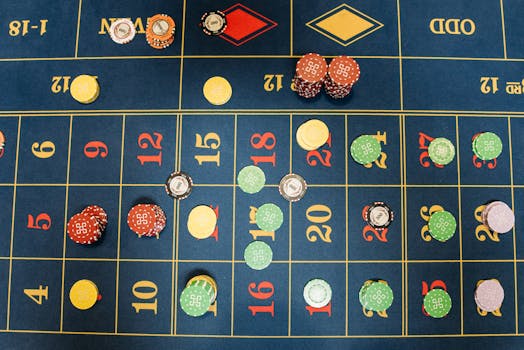
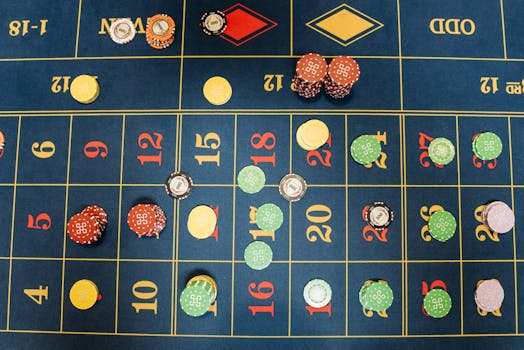
- Roulette: For instance, a European roulette wheel features 37 pockets. Betting on a single number provides a probability of 1/37 of hitting that number. Despite this, the payout is 35 to 1, not 36 to 1, subtly ensuring the casino retains an advantage over time.
- Craps: In craps, understanding the probability of rolling particular numbers with two dice is critical. For example, there are more ways to roll a 7 than a 2, influencing which bets are more likely to win.
The Role of Statistics in Casino Games
Statistics help casinos manage the randomness inherent in gambling games. By analyzing outcomes over numerous game rounds, casinos can predict expected revenues and ensure that, despite potential short-term losses, they will gain in the long term.
Players may use statistics to attempt to identify patterns, such as a biased roulette wheel, but casinos use advanced technology to minimize such anomalies, ensuring fairness and randomness through continuous monitoring and equipment checks.
Explaining the House Edge
The house edge represents the average gross profit the casino expects to make from each game. Here are a few examples:
- Blackjack: By employing basic strategy, the house edge can be lowered to about 0.5%, making it one of the most player-friendly games in a casino.
- Slots: These can have a house edge ranging from 2% to over 10%, depending on factors like the machine's design and the game's payout structure.
Variance and Expected Value
- Variance: This measures the fluctuation in game outcomes. High variance games, like slots, offer the chance for large payouts but wins are less frequent. Low variance games, such as blackjack or baccarat, provide more consistent, smaller payouts.
- Expected Value: This is the average amount a player can expect to win or lose per bet. In casino games, the expected value is typically negative, due to the house edge, indicating a statistical loss over time.
Effective Risk Management
Smart gambling involves understanding and managing risks:
- Setting betting limits and deciding in advance how much you are willing to lose are essential parts of a responsible gambling strategy.
- Knowing when to quit, understanding the odds, and playing games with a lower house edge can help minimize losses and extend playtime.
Conclusion: The Balance of Chance and Strategy
While the excitement of casino games often stems from the unpredictability and chance of big wins, understanding the mathematical foundations can significantly enhance the gaming experience. By grasping concepts like the house edge and expected value, players can make informed decisions, manage their bankrolls more effectively, and enjoy gambling as a form of entertainment. Remember, the goal of casino gambling should always be enjoyment, not financial gain.